this article focuses on "comparison of typical configurations to demonstrate the balance strategy between performance and power consumption in used mobile phones in thailand". for operation and maintenance and procurement decision-makers, it introduces the evaluation dimensions, typical configuration differences and key points of energy efficiency optimization to help achieve a reasonable compromise between performance and power consumption in the local environment of thailand.
second-hand mobile phone rooms in thailand generally face the problems of high temperature and humidity and differentiated electricity costs. equipment update frequency and budget constraints lead to diversified configurations. in such a market environment, evaluating the balance between computer room performance and power consumption requires customized decisions based on local climate, power reliability, and site conditions.
the comparison should be based on indicators such as throughput, latency, cpu/memory usage, storage i/o, pue (energy usage efficiency), cabinet power density and average power consumption. using standardized load testing and long-term energy consumption monitoring can avoid misjudgments caused by short-term fluctuations.
in second-hand mobile phone rooms, performance improvements are often accompanied by increases in power consumption. determining whether short-term peak performance or stable and continuous throughput is required through load modeling can help determine the horizontal expansion strategy of using older machines with higher clock speeds or more low-frequency nodes.
power consumption analysis not only looks at the power consumption of a single device, but also pays attention to the energy efficiency ratio of the entire cabinet and computer room. higher power density equipment will increase the cooling burden, thereby increasing indirect energy consumption. the cooling system energy consumption should be incorporated into the evaluation for full life cycle comparison.
proper hot aisle sealing, cabinet layout, and air duct design can significantly reduce cooling requirements. tailoring the thai climate to local cooling on a rack-by-rack basis or increasing cooling temperature set points is often more cost-effective than simply replacing lower-power equipment.
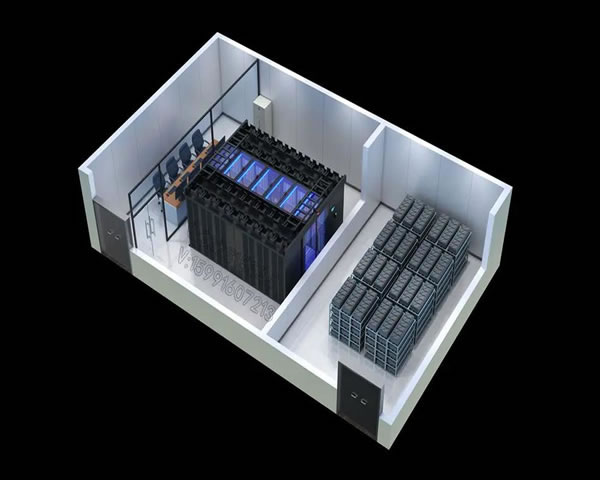
the power supply plan determines the reliability of the computer room in the event of power grid fluctuations and power outages. ups and power redundancy strategies increase fixed energy consumption but reduce the risk of failure. when evaluating a used mobile phone room, the trade-off between redundancy level and long-term energy consumption should be weighed.
through energy consumption management, load scheduling, server sleep policy and firmware optimization of the operating system and virtualization platform, overall power consumption can be reduced without replacing hardware. refined monitoring and alarming are the basis for continuous energy efficiency improvement.
second-hand mobile phone rooms with high performance tendencies usually use high-frequency cpus, larger memory and high-speed storage to meet peak loads. this configuration provides better performance in the short term but comes with higher rack power and cooling requirements, making it suitable for latency-sensitive workloads.
energy-saving configurations tend to use multiple low-power nodes, moderate storage performance, and lower power density. this strategy can reduce total energy consumption and heat dissipation burden in sustained load scenarios, but when dealing with short-term high loads, capacity expansion or traffic scheduling is required to compensate for performance.
different regions in thailand have different electricity prices and renewable energy access policies, which will affect the total cost of ownership and energy efficiency priorities. compliance, heat rejection limits and environmental requirements should also be included in the assessment to avoid additional energy consumption and costs resulting from later rectification.
when migrating or expanding a second-hand mobile phone room, give priority to evaluating the existing load curve, expansion method (vertical upgrade or horizontal expansion) and cooling carrying capacity. using phased migration and performance baseline testing can effectively control risks and gradually optimize energy efficiency.
a comprehensive evaluation of "comparison of typical configurations showing the balance strategy between performance and power consumption in thailand's second-hand mobile phone rooms" shows: clarifying business performance requirements, adopting quantifiable energy efficiency indicators, optimizing the cooling and power architecture, and supplementing it with software-level energy consumption management are the keys to achieving balance. it is recommended to conduct small-scale verification first, continuously monitor energy consumption, and adjust configurations as needed to achieve long-term optimization.
- Latest articles
- Analysis Of The Advantages Of German Independent Servers In Cross-border Data Processing From The Perspective Of Regulatory Compliance
- A Practical Guide To Listing And Deploying Taiwan Cloud Server On Amazon
- Research On The Access Speed And Conversion Rate Of E-commerce Websites After Using Japanese Line CN2 Transfer
- Technical White Paper South Korea’s Large Bandwidth Server Rental Architecture And Bandwidth Control Strategy
- A Must-read For Beginners: Practical Methods For Optimizing Performance After Downloading And Installing Vietnam Zombie Servers
- Shanghai Japan Cloud Server Network Latency Test And Optimization Implementation Plan
- Korean Group Website Advertising Strategy, Local Platform Selection And Conversion Rate Improvement
- Network Interconnection And Routing Practice Of Hong Kong Cloud Server Cn2 In Multi-cloud Architecture
- From Logs To Traceability, Tracking And Analysis Methods After Tencent Cloud Hong Kong Server Was Attacked
- Stable And Cheap Malaysian Server For Live Video Broadcast. Key Points Of Delay And Jitter Control
- Popular tags
-
Analysis Of The Latest Thailand Computer Room Fraud Cases And Preventive Measures
this article analyzes the latest thai computer room fraud cases and preventive measures to help readers be more vigilant and protect their own safety. -
How Blade & Soul Players Choose Thai Servers To Improve Their Experience
this article explores how blade & soul players choose thai servers to improve their gaming experience, covering factors such as latency, server stability, and community environment. -
Competitive Analysis And Strategies Of Thailand’s Server Rental Market
in-depth analysis of the competition situation and strategies of thailand's server rental market to help enterprises choose appropriate server rental solutions.